
The Integration Playbook
A Practical Guide to Connected Workforce Systems
As restaurant operations grow, it becomes more difficult to keep payroll, labor, HR, scheduling, and operational systems aligned across every location.
This guide helps operators identify where disconnected processes create friction and how connected systems can simplify workforce management, improve visibility, and support more efficient operations.
.png?width=600&height=514&name=Anchor%20image%20(3).png "Anchor image (3)")
What You'll Learn
Whether you're managing a few locations or scaling across multiple states, this playbook will help you build a more connected operation.
Identify where your systems are disconnected
Understand how data should flow from hire to paycheck
Reduce manual work across onboarding and payroll
Improve payroll accuracy and reporting consistency
Why Restaurant Systems Break Down
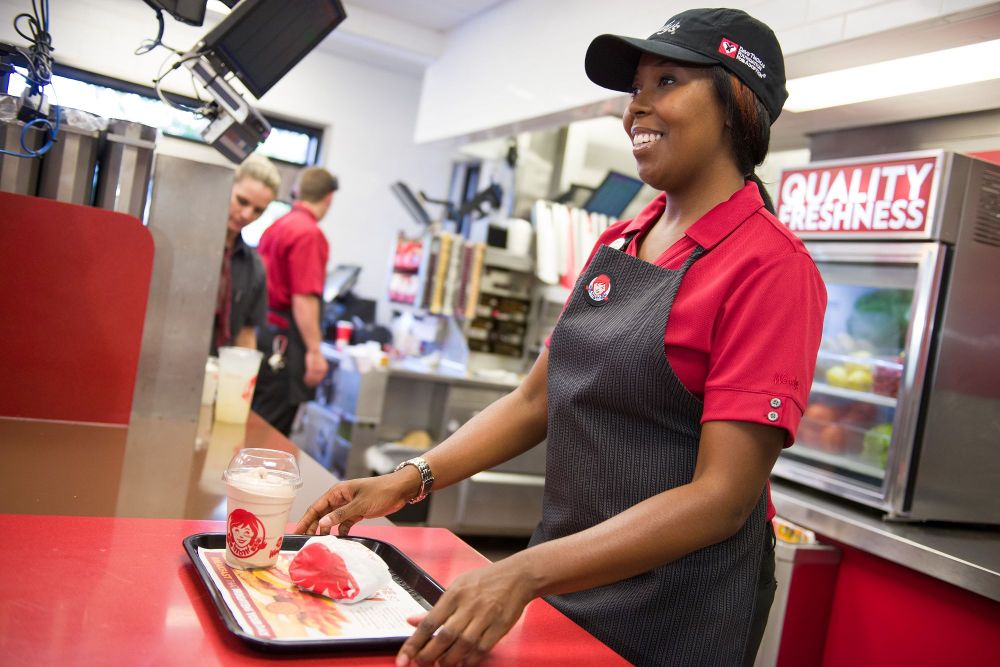
Restaurant teams rely on multiple systems to run daily operations, but when those systems don’t work together, problems start to show.
Employee data has to be entered multiple times
Updates don’t carry across platform
Payroll requires manual corrections
Reporting becomes inconsistent across locations
Built for Restaurant Operators Managing Growth
For teams managing multiple locations, high volume hiring, complex payroll workflows, and inconsistent processes across stores, this playbook provides a clear path forward. As your operation grows, your systems need to scale with it.
.png "Untitled design (10)")
Customer Success Story
What Happens When Systems Are Connected
The impact of connected systems is not just theoretical. For many restaurant operators, it directly improves how teams manage payroll, labor, and day to day operations.
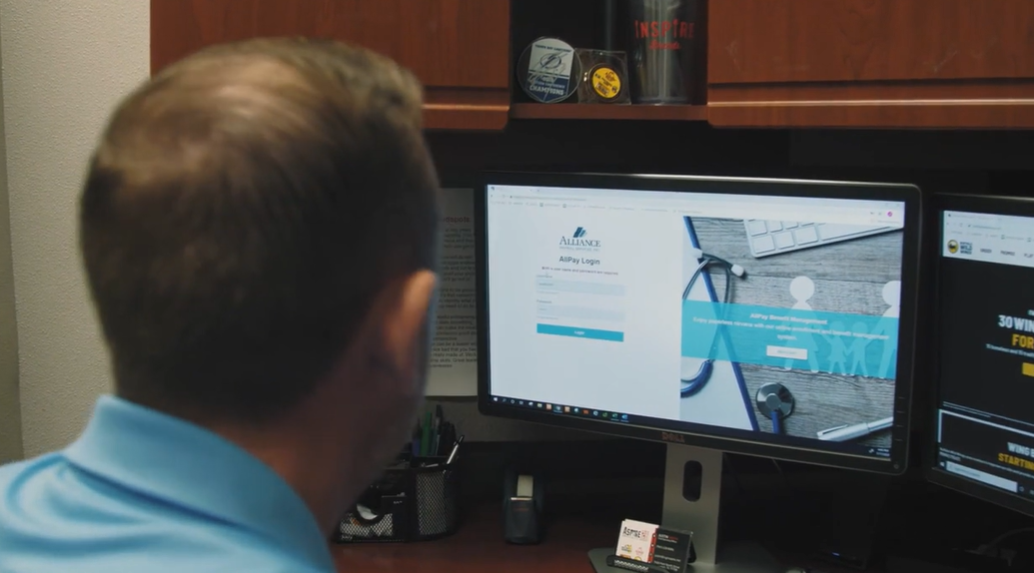
Learn how one multi location operator reduced manual work, improved data accuracy, and created more consistent processes across locations.
Evaluate Your Current Setup
Before or after the playbook, you can use our integration checklist to quickly identify gaps in your current systems.
.png?width=895&height=767&name=Anchor%20image%20(5).png "Anchor image (5)")